Aston Martin
DBS
Aston Martin DBS: official NHTSA recalls, fault code help and maintenance guides.
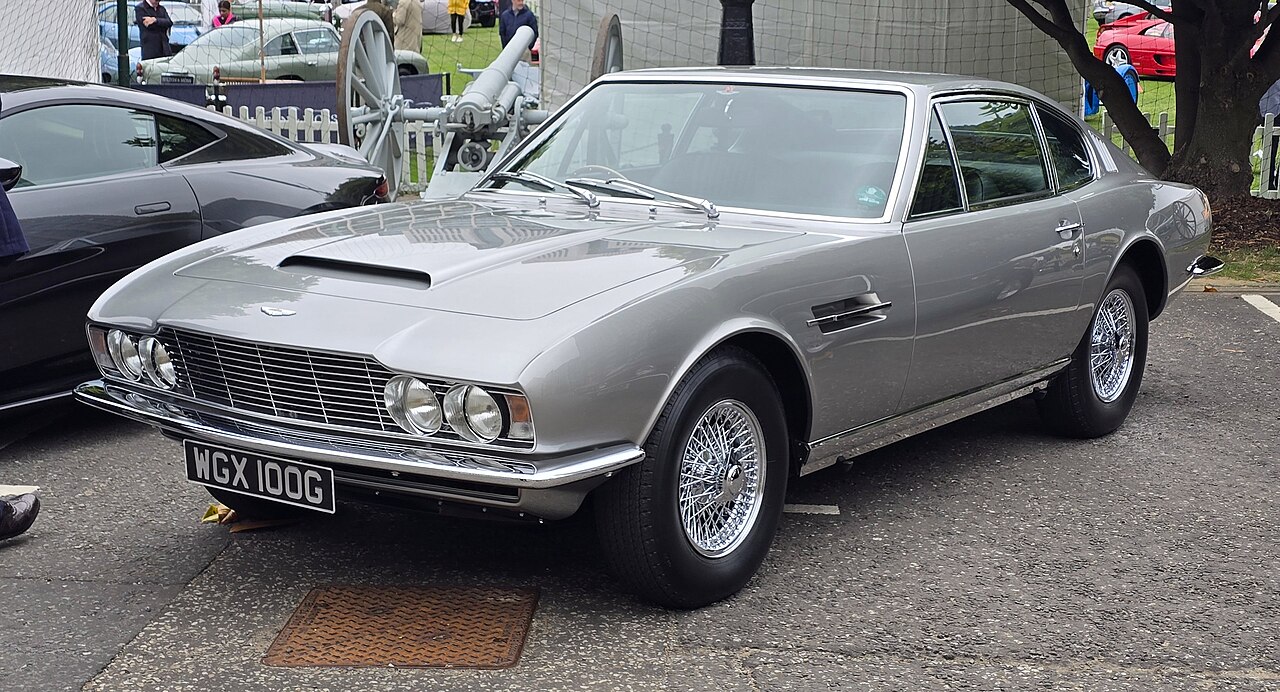 Licensed photo · Photo credit
MakeAston Martin
ClassMinicompact car
Model years (US)2009–2012, 2019–2024
New registrations (EU)2003, 2007–2015, 2018–2024
Recall dataNHTSA (United States)
Engines and transmissions
| Model years | Engine | Transmission | Drive | Fuel |
|---|---|---|---|---|
| 2019–2023 | 5.2 L, 12 cyl | 8-speed automatic | Rear-wheel drive | Petrol (premium) |
| 2009–2012 | 5.9 L, 12 cyl | 6-speed automatic | Rear-wheel drive | Petrol (premium) |
| 2009–2012 | 5.9 L, 12 cyl | 6-speed manual | Rear-wheel drive | Petrol (premium) |
Fuel economy (EPA)
| Model years | Configuration | Combined | City | Highway |
|---|---|---|---|---|
| 2019–2023 | 5.2 L, 12 cyl · 8-speed automatic · Rear-wheel drive | 13.8 L/100 km | 16.8 L/100 km | 10.7 L/100 km |
| 2009–2012 | 5.9 L, 12 cyl · 6-speed automatic · Rear-wheel drive | 16.8 L/100 km | 19.6 L/100 km | 13.1 L/100 km |
| 2009–2012 | 5.9 L, 12 cyl · 6-speed manual · Rear-wheel drive | 18.1 L/100 km | 21.4 L/100 km | 13.8 L/100 km |
Values are the official EPA label figures for each model year, shown as the lowest and highest value for the configuration. Electric models show energy use per 100 km. Real-world consumption depends on driving style, weather and load. Luggage and passenger volumes follow the EPA measuring method and can differ from the VDA figures used in Europe.
EU type-approval data
| Years | Powertrain | Engine | Power | Mass | CO₂ |
|---|---|---|---|---|---|
| 2023–2024 | Petrol | 5204 cm³ | 566 kW (770 PS) | 1920–2020 kg | 314 g/km (WLTP) |
| 2018–2023 | Petrol | 5204 cm³ | 533 kW (725 PS) | 1920–2020 kg | 306 g/km (WLTP) |
| 2011–2013 | Petrol | 5935 cm³ | 380 kW (517 PS) | 1815–1925 kg | 367 g/km (NEDC) |
Years are registration years. Each range runs from the 10th to the 90th percentile of the values reported for new registrations; it is not an average. Mass is the mass in running order. For electric cars the power is the type-approval net power, which can be lower than the peak power in brochures.
Key specifications
| Specification | Value |
|---|---|
| EPA size class | Minicompact car, Two-seater |
| Model years in EPA data | 2009–2012, 2019–2023 |
| Powertrains | Petrol |
| Engine displacement | 5.2–5.9 L |
| Cylinders | 12 |
| Transmission types | Automatic, Manual |
| Drive | Rear-wheel drive |
| Fuel | Petrol (premium) |
| Configurations listed | 13 |
| Forced induction | Turbocharged (on some versions) |
| Luggage volume (EPA) | 142–255 L |
| Passenger volume (EPA) | 2,039–2,209 L |
| Powertrains (EU) | Petrol |
| Engine displacement (EU) | 5,204–5,935 cm³ |
| Power (EU) | 380–566 kW (517–770 PS) |
| Mass in running order (EU) | 1,815–2,020 kg |
| Wheelbase (EU) | 2,740–2,885 mm |
Years and markets
| Specification | Value |
|---|---|
| Model years (US) | 2009–2012, 2019–2024 |
| New registrations (EU) | 2003, 2007–2015, 2018–2024 |