Values are the official EPA label figures for each model year, shown as the lowest and highest value for the configuration. Electric models show energy use per 100 km. Real-world consumption depends on driving style, weather and load. Luggage and passenger volumes follow the EPA measuring method and can differ from the VDA figures used in Europe.
EU type-approval data
Years
Powertrain
Engine
Mass
CO₂
2010
Petrol
4565 cm³
1905–2003 kg
314–343 g/km (NEDC)
Years are registration years. Each range runs from the 10th to the 90th percentile of the values reported for new registrations; it is not an average. Mass is the mass in running order. For electric cars the power is the type-approval net power, which can be lower than the peak power in brochures.
Key specifications
Key specifications
Specification
Value
EPA size class
Midsize car
Model years in EPA data
2005–2011
Powertrains
Petrol
Engine displacement
3.6–4.6 L
Cylinders
6, 8
Transmission types
Automatic
Drive
Rear-wheel drive, All-wheel drive, Four-wheel or all-wheel drive
Fuel
Petrol (regular), Petrol (premium)
Configurations listed
29
Forced induction
Supercharged (on some versions)
Luggage volume (EPA)
368–396 L
Passenger volume (EPA)
2,888–2,945 L
Powertrains (EU)
Petrol
Engine displacement (EU)
4,565 cm³
Mass in running order (EU)
1,905–2,003 kg
Years and markets
Years and markets
Specification
Value
Model years (US)
2005–2011
New registrations (EU)
2005, 2007–2011
Owner complaints (NHTSA)
Component
Complaints
Most reported model years
Airbags
101
2005, 2006, 2007
Electrical system
68
2005, 2006, 2007
Engine and cooling
65
2005, 2006, 2008
Transmission and drivetrain
44
2005, 2006, 2007
Fuel and propulsion
36
2005, 2006, 2008
Stability and traction control
28
2006, 2007, 2009
Brakes
25
2005, 2006, 2007
Speed control and cruise
23
2005, 2006, 2008
Steering
18
2005, 2006, 2008
Lights
17
2005, 2007, 2008
Source: complaints filed by owners with the U.S. National Highway Traffic Safety Administration (NHTSA) for model years 2005–2011: 371 complaints, 47 with a crash and 12 with a fire. Complaints are owner reports that NHTSA has not verified, and one complaint can name more than one component. More complaints can also mean more cars sold.
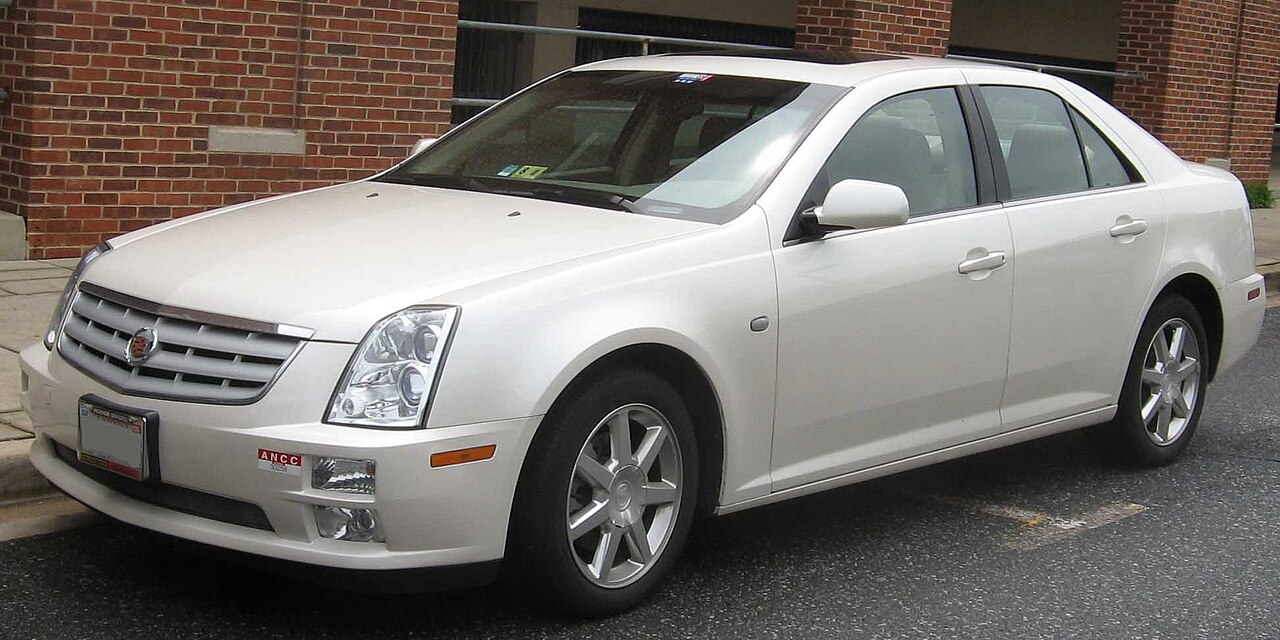 Licensed photo · Photo credit